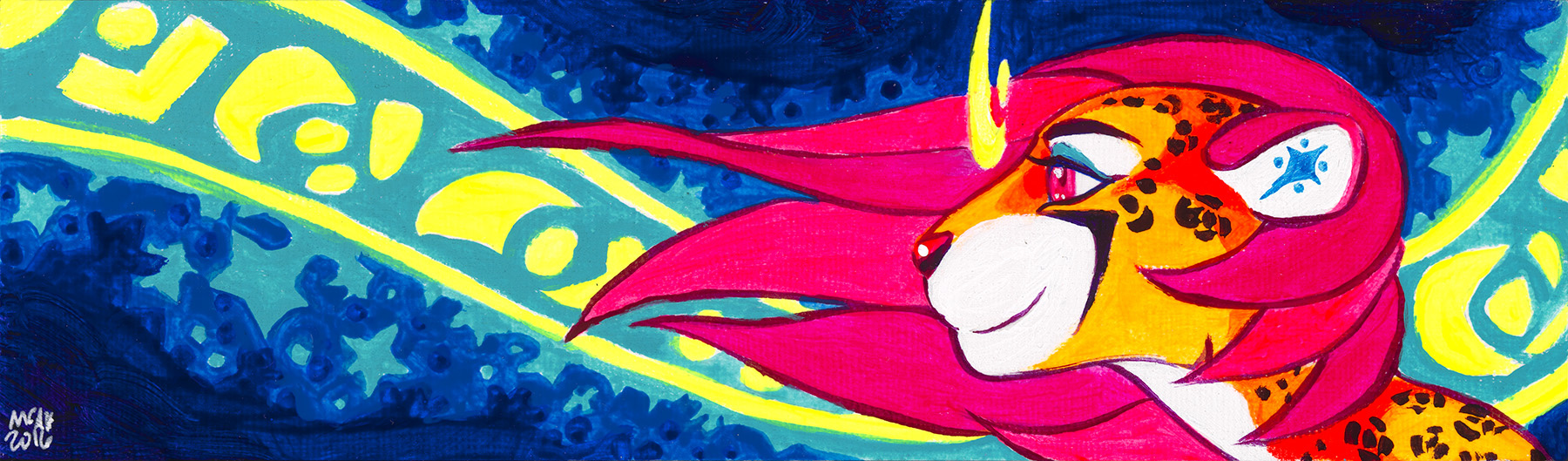


I had a lovely birthday! And I'm looking forward to a productive October. I thought I'd catch you up, bullet-point style, on what I'm up to:
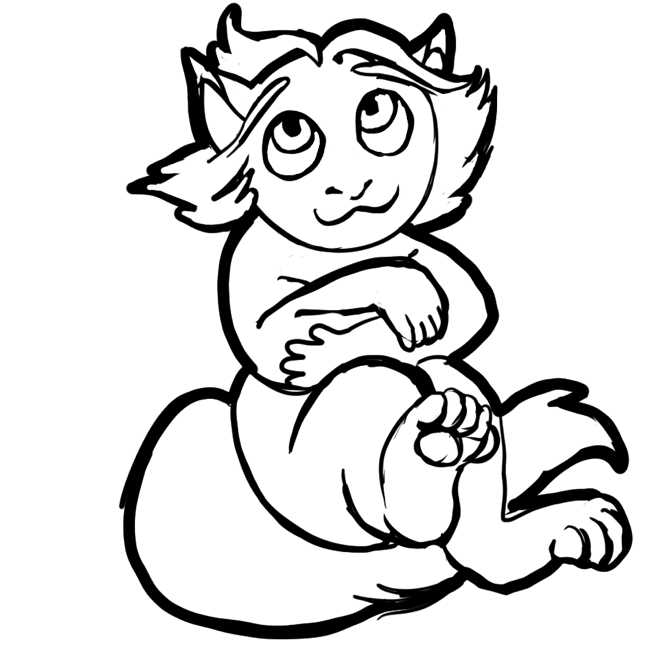
Tomorrow the Tea vs Coffee (and Galaxy) dragon kickstarter ends! (Last chance!) So I'll be doing coloring sheets and fulfillment for that.
Finalized the paperback edition of the re-issue of my fantasy short collection, which I'll have a formal launch for, probably next week.
It's been a month, so it's time to edit Kherishdar's Witness! I re-read it yesterday and made two pages of notes of things that need adjustment, but it's much closer to ready than I thought. Early November for that, probably.
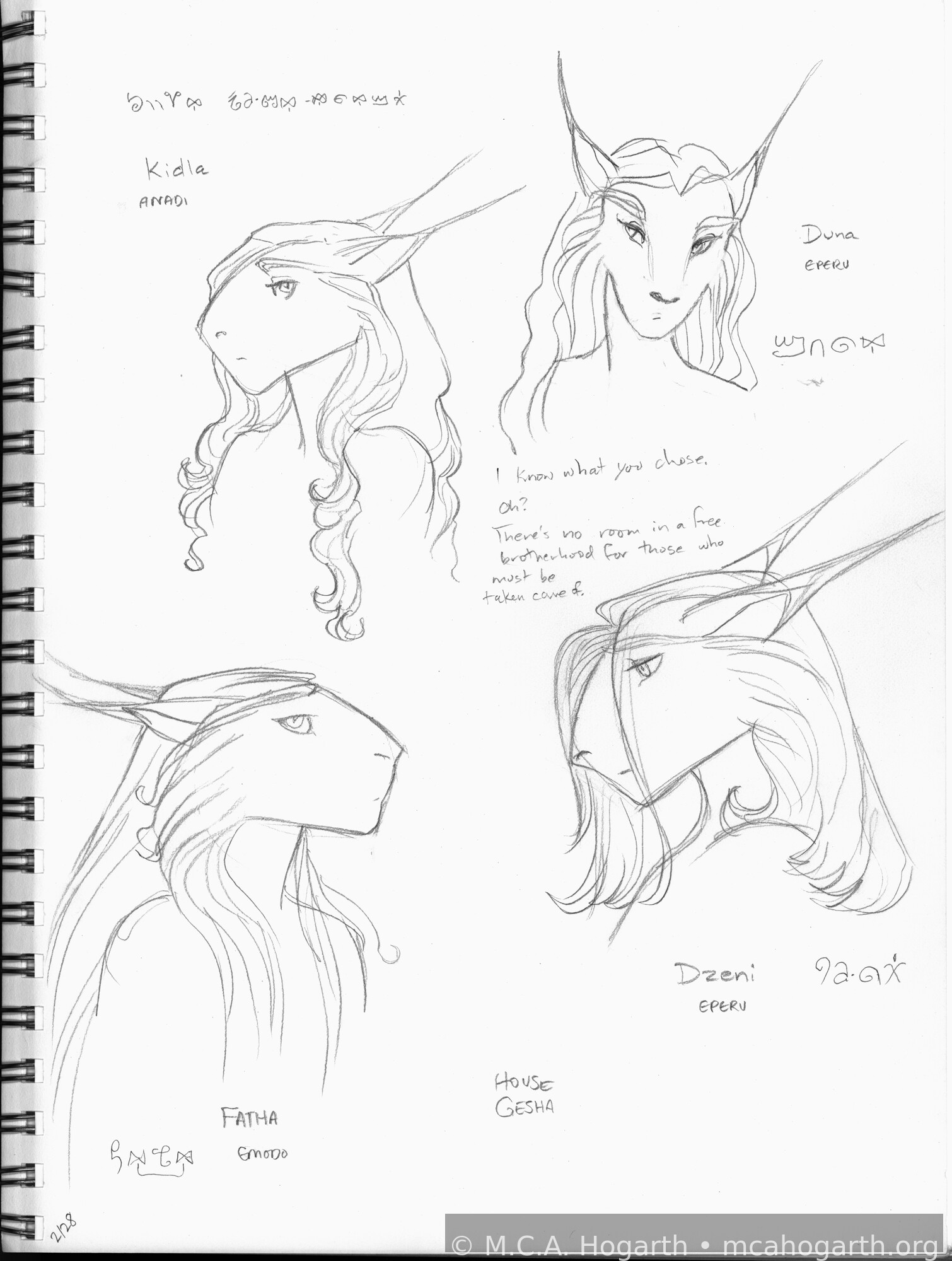
I have only 31 big sketchbooks left to scan for the gallery! Which is at 9466 images. I'll easily hit that 10K I predicted, and after that it'll be time to start on the small sketchbooks and loose artwork, and continue my annotations.
Reminder that the new, winter seasonal gallery code is pinned here for subscribers at the $5+ level. Go collect and apply!
Related, I'm back to daily drawing, and am glad to have restored that practice. Thank you, discord members, for your frequent prompts/requests, which I fall back on when I can't think of anything.🧡
I'm gearing up to start serializing Coracle 2: Squire Marda here, probably near the end of October. More on that when I'm ready!
I see a lot of you are free subscribers; I hope you'll consider joining the paying patrons! I post weekly (usually 2-3 times a week), which is (I'm told) a lot more than most subscriptions. And it would be a big help to me with all the projects I want to conquer going forward! Including having the money to travel to at least one con a year to meet more of you in person. Even a dollar a month helps and unlocks almost all the paid content, and $5 a month gets you unlimited access to the 9000+ image stardancer gallery. Please consider buying me a cup of coffee if you're not already.
And to all my paying patrons, many of whom have been with me for decades, know that I appreciate you, as always. You are the pillars of the Jaguar tribe.🧡
More to come!